
Quick verdict
Verdict box
- Lightest ~1 kWh unit: Jackery Explorer 1000 v2 (about 23.8 lb, 1,070 Wh).
- Most output and solar in the ~1 kWh class: Bluetti Elite 100 V2 (1,800 W continuous, 1,000 W solar input). The Bluetti AC180 stores the most energy (1,152 Wh).
- Lightest ~2 kWh unit: Jackery Explorer 2000 v2 (about 39.5 lb, 2,042 Wh).
- Most output in the ~2 kWh class: Bluetti Elite 200 V2 (2,600 W continuous).
- RV and expansion pick: Bluetti AC200L (NEMA TT-30 outlet, 1,200 W solar, expandable to 8,192 Wh).
Jackery wins on weight and size. Bluetti wins on output, solar input and expansion. Pick the model that fits your load and how far you carry it.
Top pick: Bluetti AC180 (1,152 Wh)
The most stored energy in the ~1 kWh class here, with 1,800 W continuous output, four AC outlets and a 5-year warranty. Choose it when capacity matters more than weight.
Need 2 kWh and more output? Runner-up: Bluetti Elite 200 V2 (2,073.6 Wh, 2,600 W continuous).
Bluetti vs Jackery is mostly a trade between weight and headroom. Jackery’s current Explorer v2 models are among the lightest LiFePO4 stations in their capacity classes. Bluetti’s comparable models are heavier but put out more watts, accept more solar, and (on some models) grow with add-on batteries. If you searched “Jackery vs Bluetti”, the answer is the same: compare the exact models, not the logos.
All figures below are manufacturer specs read on October 19, 2026. They are not our test results. Listings, bundles and stock change often, so check the current listing before you buy.
Bluetti vs Jackery at a glance
| Bluetti | Jackery | |
|---|---|---|
| Battery chemistry (models compared) | LiFePO4 | LiFePO4 |
| Boost mode for resistive loads | Power Lifting | None listed on these models |
| How cycle life is rated | Mostly to 80% capacity | To 70%+ capacity |
| US warranty (models compared) | 5 years | 3 years + 2 extra years when bought from jackery.com |
| Expansion (models compared) | AC200L (with add-on batteries) | Not on these Explorer v2 models (Jackery’s “Plus” series is expandable) |
| App | BLUETTI app | Jackery app |
Cycle ratings use different end points. “4,000 cycles to 70%” (Jackery) and “4,000 cycles to 80%” (Bluetti) aren’t the same claim, so don’t compare the raw numbers one-to-one.
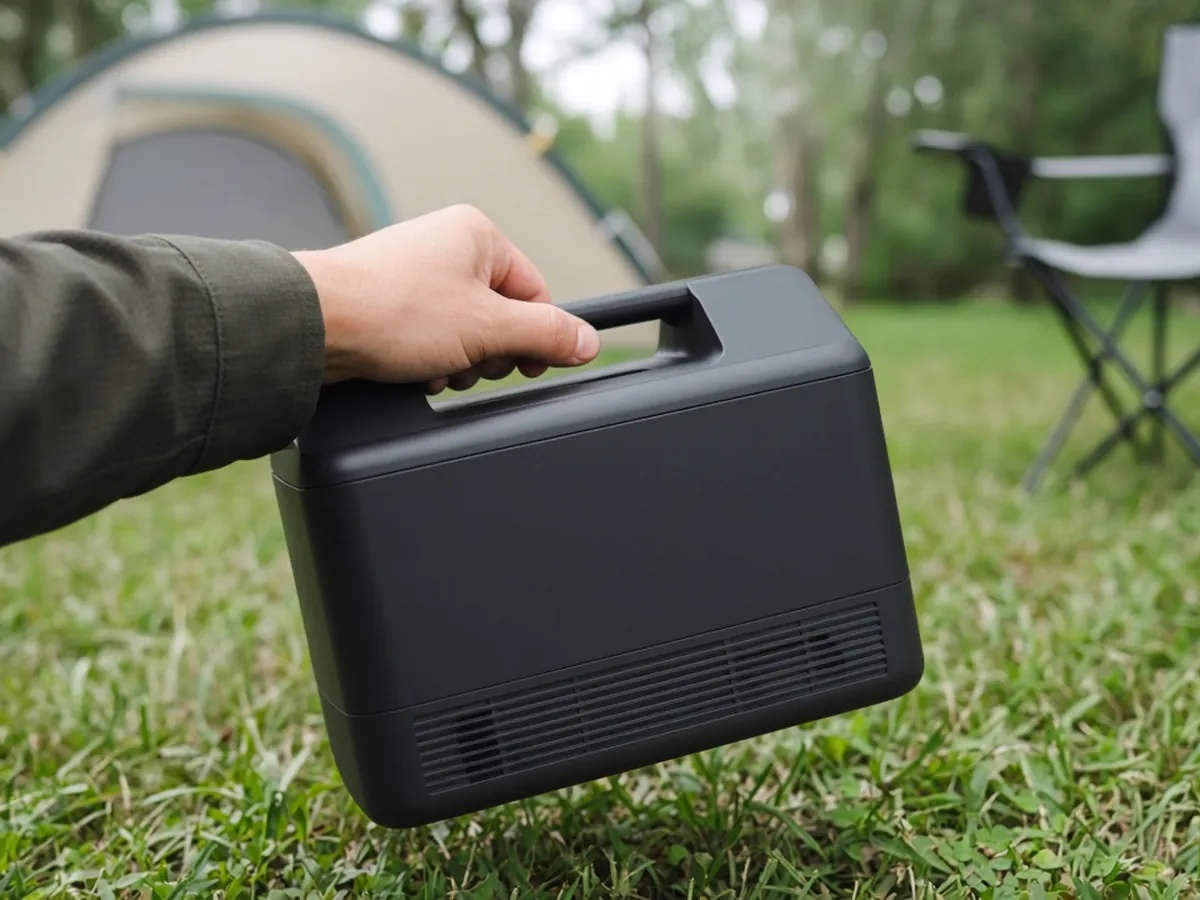
~1 kWh class: AC180 and Elite 100 V2 vs Explorer 1000 v2
| Spec | Bluetti AC180 | Bluetti Elite 100 V2 | Jackery Explorer 1000 v2 |
|---|---|---|---|
| Capacity | 1,152 Wh LiFePO4 | 1,024 Wh LiFePO4 | 1,070 Wh LiFePO4 |
| Continuous AC output | 1,800 W | 1,800 W | 1,500 W |
| Surge / boost | 2,700 W Power Lifting (resistive loads) | 3,600 W surge; 2,700 W Power Lifting | 3,000 W surge peak |
| Max solar input | 500 W (12–60 V, 10 A) | 1,000 W (12–60 V, 20 A) | 400 W total (2 × 8 mm DC ports) |
| AC charging | 1,440 W turbo; about 1.3–1.8 h full | 1,200 W; 0–80% in 45 min | 1.58 h standard; 0–100% in 1 h with Emergency Super Charge (app) |
| Cycle rating | 3,500+ cycles | 4,000+ cycles to 80% | 4,000 cycles to 70%+ |
| Weight | About 35.3 lb | About 25 lb | About 23.8 lb |
| AC outlets | 4 | Check the current listing | 3 |
| UPS / bypass | 20 ms | ≤10 ms | Bypass mode; no switchover time listed |
| Expansion | Not supported | Not listed as expandable | Not expandable |
| US warranty | 5 years | 5 years | 3 + 2 years |
| Price | Check price | — | Not linked |
What the table says
- Explorer 1000 v2 is the lightest and most compact of the three, and Jackery’s 1-hour Emergency Super Charge makes it quick to top up from the wall. It gives up 300 W of continuous output and takes the least solar.
- Elite 100 V2 has the most solar input (1,000 W, more than double the Jackery) and the fastest UPS switchover. It weighs only about a pound more than the Explorer.
- AC180 stores the most energy and has four AC outlets, but it’s the heaviest by more than 10 lb.
~2 kWh class: AC200L and Elite 200 V2 vs Explorer 2000 v2
| Spec | Bluetti AC200L | Bluetti Elite 200 V2 | Jackery Explorer 2000 v2 |
|---|---|---|---|
| Capacity | 2,048 Wh LiFePO4 | 2,073.6 Wh LiFePO4 | 2,042 Wh LiFePO4 |
| Continuous AC output | 2,400 W | 2,600 W | 2,200 W |
| Surge / boost | 3,600 W Power Lifting (resistive loads) | 3,900 W Power Lifting (resistive loads) | 4,400 W surge peak |
| Max solar input | 1,200 W (12–145 V, 15 A) | 1,000 W (12–60 V, 20 A) | 400 W total (2 × 8 mm DC ports) |
| AC charging | 2,400 W; 0–80% in 45 min | 1,800 W; 80% in about 1.1 h, full in 1.4 h | About 1.7–1.75 h full (Emergency Super Charge / spec sheet) |
| Cycle rating | 3,000+ cycles to 80% | 6,000+ cycles to 80% | 4,000 cycles to 70%+ |
| Weight | About 62.4 lb | About 53.4 lb | About 39.5 lb |
| TT-30 RV outlet | Yes (120 V/30 A) | Not listed | Not listed (3 AC outlets) |
| UPS | Check the manual | Within 15 ms (Bluetti FAQ) | ≤20 ms |
| Expansion | Up to 8,192 Wh | Not expandable (Bluetti FAQ) | Not expandable |
| US warranty | 5 years | 5 years | 3 + 2 years |
| Price | — | Check price | Not linked |
What the table says
- Explorer 2000 v2 is far lighter, about 14 lb less than the Elite 200 V2 and 23 lb less than the AC200L. It also lists the highest true surge figure here (4,400 W), which matters for motor and compressor start-up. Its 400 W solar ceiling is the weak spot for off-grid use.
- Elite 200 V2 has the most continuous output and the highest cycle rating.
- AC200L takes the most solar on the widest voltage window, has a TT-30 outlet for RVs, and is the only unit here that expands.
Power Lifting runs resistive loads like kettles and heaters at reduced power. It doesn’t help motors or compressors start. For those, compare true surge figures and test with your appliance.
A note on price per Wh
We don’t quote prices because both brands run frequent sales and bundles. To compare fairly, divide the current price by the Wh rating on the same day, then weigh that against output, solar input and weight. A cheaper $/Wh unit that can’t run your load or recharge from your panels isn’t a bargain.
Use-case winners
| Use case | Our pick from these models | Why |
|---|---|---|
| Car camping, carrying any distance | Jackery Explorer 1000 v2 | Lightest ~1 kWh unit here (about 23.8 lb) |
| Off-grid camping with solar | Bluetti Elite 100 V2 | 1,000 W solar input in a 25 lb body |
| Home backup for essentials | Bluetti AC200L (expandable) or Jackery Explorer 2000 v2 (lighter, 4,400 W surge) | Expansion to 8 kWh vs easy moving between rooms. Use a transfer switch installed by an electrician |
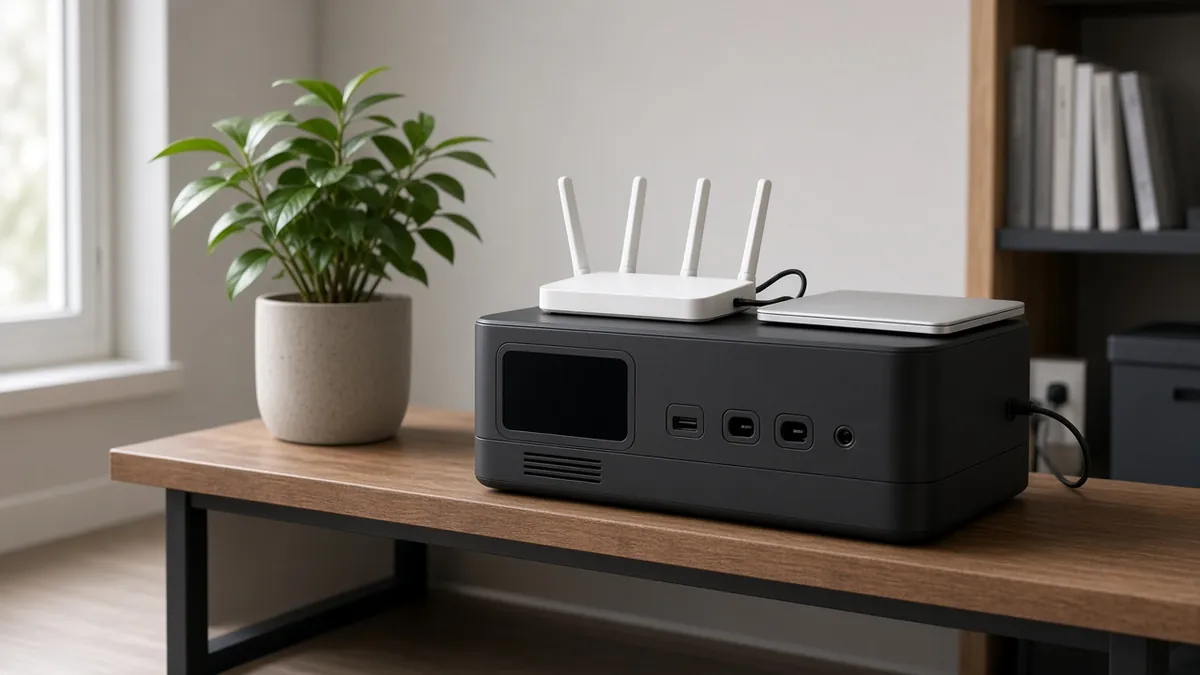
| UPS for router, PC or NAS | Bluetti Elite 100 V2 or Elite 200 V2 | ≤10 ms and 15 ms switchover. The Explorer 2000 v2 lists ≤20 ms |
| RV or van | Bluetti AC200L | TT-30 outlet plus 1,200 W solar |
| CPAP overnight | Elite 100 V2 or Explorer 1000 v2 | ~1 kWh covers most nights. Check your machine’s draw first |
For CPAP, size the station from your machine’s real draw with and without the humidifier. See our CPAP power station guide, and ask your CPAP maker about battery use. For general sizing, see the 1000W and 2000W guides. If you only need to charge a laptop and phones, a smaller station may be enough; see our laptop power station guide.
Bluetti model picks
Bluetti AC180: most capacity in the ~1 kWh class
1,152 Wh, 1,800 W continuous (2,700 W Power Lifting), 1,440 W turbo charging, 500 W solar, four AC outlets, 5-year warranty. Best when stored energy matters more than weight.
Bluetti Elite 100 V2: the solar-friendly 1 kWh option
1,024 Wh, 1,800 W continuous (3,600 W surge), 1,000 W solar input, about 25 lb, ≤10 ms UPS. Best for camping with panels or keeping beside sensitive electronics.
Bluetti AC200L: expandable 2 kWh for RV and backup
2,048 Wh, 2,400 W continuous, TT-30 outlet, 1,200 W solar on a 12–145 V window, expandable to 8,192 Wh. Best when the station will grow into a backup system.
Bluetti Elite 200 V2: most output in the ~2 kWh class
2,073.6 Wh, 2,600 W continuous, 3,900 W Power Lifting, 6,000+ cycles to 80%, about 53.4 lb. Best for heavy single appliances and long ownership.
Jackery models compared
Jackery Explorer 1000 v2: lightest ~1 kWh unit here
1,070 Wh, 1,500 W continuous (3,000 W surge), 400 W solar, about 23.8 lb, 1-hour Emergency Super Charge via the app, 3 + 2-year warranty. Best when you carry the station often and your loads stay under 1,500 W. Jackery’s own page now also points buyers to the newer HomePower 1000 v2, so check which version the listing is selling.
Jackery Explorer 2000 v2: lightest ~2 kWh unit here
2,042 Wh, 2,200 W continuous (4,400 W surge), ≤20 ms UPS, about 39.5 lb, quiet operation (Jackery lists under 30 dB in quiet mode), 3 + 2-year warranty. Best for indoor backup where you move the unit between rooms and need surge for a fridge.
Check the current Jackery listing for price and bundle contents. The 3 + 2-year warranty applies to purchases from jackery.com, so confirm the term with other sellers.
Is Bluetti better than Jackery?
Not across the board. Jackery leads on weight in both head-to-head classes, on true surge in the 2 kWh class (Explorer 2000 v2), and on the Explorer 1000 v2’s 1-hour full wall charge. Bluetti leads on continuous output, solar input, expansion (AC200L), RV outlets and warranty length from any authorized seller. If you mostly charge from the wall and carry the unit, Jackery is the easier fit. If you rely on solar or need to run bigger loads, Bluetti gives you more headroom.
Bluetti vs Jackery vs EcoFlow
EcoFlow is the third brand most buyers compare. In our EcoFlow vs Bluetti comparison, the EcoFlow DELTA 3 Plus (1,024 Wh, 1,000 W solar, about 56 minutes to full from the wall) is heavier than the Explorer 1000 v2 but offers an expansion path that none of the 1 kWh models here has. In the 2 kWh class, the DELTA 2 Max (about 50 lb, 4,800 W surge, expandable to 6,144 Wh) lands between the Explorer 2000 v2 and the Bluetti units on weight. Short version: Jackery for lightness, Bluetti for output and solar, EcoFlow for recharge speed and expansion.
How to choose in five minutes
- List your loads and how long they must run. Use the wattage calculator for continuous and surge targets.
- Estimate runtime with the runtime calculator, using the same assumptions for both brands.
- Match recharge to your life: wall-first buyers can favor fast AC charging, solar-first buyers need input watts and a voltage window that fits their panels.
- Read the manual for UPS behavior, temperature limits and warranty terms for your seller.
FAQ
Is Bluetti better than Jackery?
Jackery Explorer 1000 v2 vs Bluetti AC180: which should I buy?
Which lasts longer, Bluetti or Jackery?
Which is cheaper, Bluetti or Jackery?
Bluetti vs Jackery vs EcoFlow: which brand should I pick?
Can Bluetti and Jackery power a CPAP?
Sources
- Bluetti AC180: https://www.bluettipower.com/products/ac180
- Bluetti Elite 100 V2: https://www.bluettipower.com/products/elite-100-v2-portable-power-station
- Bluetti Elite 200 V2 (incl. comparison table with AC200L, FAQ): https://www.bluettipower.com/products/elite-200-v2-portable-power-station
- Bluetti AC200L: https://www.bluettipower.com/products/ac200l
- Jackery Explorer 1000 v2: https://www.jackery.com/products/jackery-explorer-1000-v2
- Jackery Explorer 2000 v2: https://www.jackery.com/products/jackery-explorer-2000-v2-portable-power-station
Planning guide · US context · Updated October 19, 2026.